Meal Plan Generator: How To Create A Balanced Meal Plan

Medical Reviewer: Danielle Matthies, RD, LD, CD

Author: Julia Zakrzewski, RD

Summary
- A meal plan is a practical tool to help you achieve your health and nutrition goals.
- Follow our five key steps to generate a fully customized meal plan.
- Working with a registered dietitian can ensure your meal plan is nutritionally balanced.
A well-designed meal plan can help you achieve your health goals.
By having a plan, you can prioritize foods and dishes that satisfy your nutrition requirements and help you feel your best.
Additionally, following a meal plan can save you time, as it reduces the guesswork of figuring out what to eat when you’re already hungry or too busy.
Keep reading to learn more about meal plans and why they’re helpful.
Then, follow our five steps to generate a week of meals that cater to your preferences, nutritional needs, and health goals.
{{splash}}
What is a Meal Plan?
Depending on your needs, a meal plan can outline ideas for a specific meal, like dinner, or it may detail a days’ every meal and snack.
You can plan for a whole week or start with one to three days.
We recommend working closely with a dietitian when building a meal plan to ensure it’s rich in nutrition, accommodates your personal and cultural preferences, and has recipes within your budget and cooking skills.
Benefits of Having a Meal Plan
Scientists have examined the physical and mental health benefits of meal planning.
Some French research suggests that meal planners were more likely to cook nutritious meals at home than nonplanners.
They also spent less time thinking about what to cook and felt less constrained by food thoughts.
Findings from Canadian studies echoed similar sentiments, where participants reported lower stress levels after meal planning.
However, some participants stated that more meal planning was linked to feelings of “having less time” due to more cooking, so it will take time to find an efficient flow.
Other benefits of using a meal plan are continued below.
Affordability
It has become more expensive to buy food after the COVID-19 pandemic.
However, with some planning and nutrition education, getting the most value for your dollar while grocery shopping can feel more manageable.
For instance, having a plan for which ingredients you need and how you’ll use them can help prevent the purchase of ingredients that sit unused and eventually expire.
If you want to become a savvy shopper, ask your dietitian to teach you how to buy and make nutritious meals while sticking to a budget.
Reach Your Health Goals
It’s rare to have a health goal that doesn’t include some nutrition element.
A meal plan can make knowing what to eat (and how much) to support your health goals easier.
Accountability
Having different forms of accountability might help you stay focused on your health plan.
A meal plan can help prevent spur-of-the-moment food decisions, which may be more based on wants than needs.
In addition to a meal plan, peer and family support and regular meetings with your dietitian and healthcare team can all be forms of accountability.
How Can I Make My Own Meal Plan?
You can make your own meal plan by following our five-step process below:
- Set your health goals.
- Determine your daily energy requirements (calories).
- Include whole, nutrient-dense foods.
- Plan your meals and snacks (include recipes if you’re making something new).
- Make a grocery list so you can start cooking.
Keep reading for a more in-depth breakdown of the five steps.
Step 1: Set Your Health Goals
Start by defining your health goal(s).
Are you trying to lose weight?
Are you looking to ensure enough fiber or a certain other nutrient in your diet?
Ideally, your goal should follow the SMART goal framework and be specific, measurable, achievable, realistic, and follow a timeline.
A dietitian can help you create a SMART goal, setting you up for success.
Step 2: Determine Your Calorie Needs
You must eat enough food and nutrition daily for energy and health.
Most adults need approximately 2000 calories daily (the USDA's average recommendation), but this number varies significantly based on energy levels, sex, metabolic rate, body size, and more.
Knowing your needs will help determine the quantity and frequency of food included in your meal plan.
Calculating Your Daily Nutrition Needs
Here are a few tools for estimating your calorie requirements.
However, they aren’t perfect, and it’s highly recommended that you ask a dietitian for personalized support.
Adjusting for Activity Level
You burn more energy when physically active.
So, if you exercise regularly, you’ll likely have higher daily caloric requirements than someone who is more sedentary.
The increase in calories is highly individualized.
The USDA and MyPlate tools listed above will incorporate your activity level into the energy calculations, but your dietitian can also manually calculate this.
Step 3: Choose Nutrient-Dense Foods
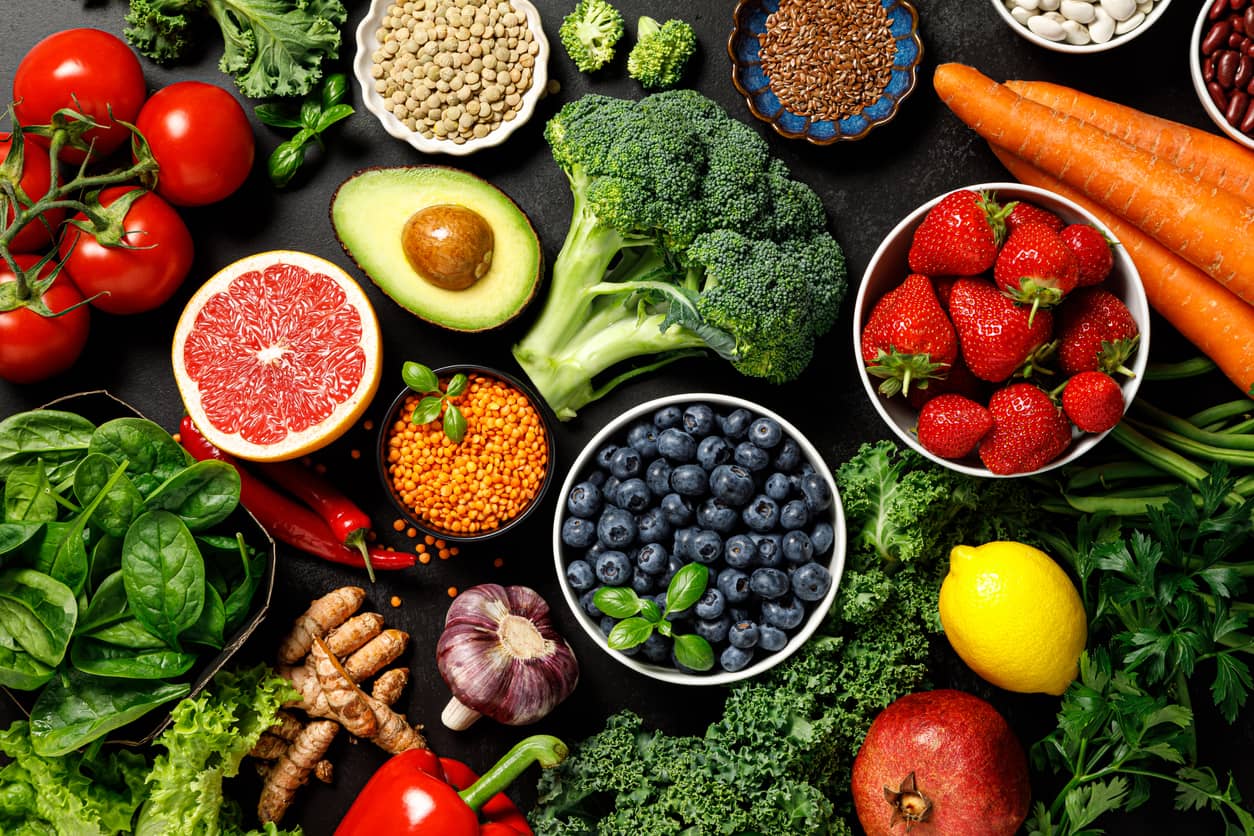
Nutrient-dense foods have fiber, vitamins, minerals, antioxidants, and other essential nutrients that support health.
You can build balanced meals by following the MyPlate model:
- Fill half your plate with fruits and vegetables.
- Fill a quarter of your plate with carbohydrates, ideally whole grains.
- Fill the final quarter of your plate with lean proteins.
Fruits and Vegetables
Fruits and vegetables are a staple in a healthy diet, according to the current USDA dietary guidelines for Americans.
They’re also hydrating, add texture to food, and are highly versatile in the kitchen.
Try to enjoy a variety of fruits and vegetables at meals and snacks.
Whole Grains
The USDA recommends that 50% of your carbohydrate choices be whole grains, which are rich in nutrition and fiber.
Examples of whole grains include quinoa, teff, whole wheat, wheatberries, and more.
Lean Proteins
Lean proteins help you feel full and provide your body with amino acids—micro-sized organic compounds that build and repair tissues and help with hormone and enzyme production.
Lean proteins include beans, tofu, fish, most poultry, eggs, low-fat Greek yogurt, and extra lean ground meats.
Healthy Fats
Yum! Fat makes food taste great and helps your body absorb nutrients.
Healthy fats are unsaturated fats that are easier to metabolize.
Replacing saturated and trans fats with healthy fats is linked to better health outcomes.
Examples of healthy fats include unsalted nuts and seeds, unsweetened nut butter, olive oil, sunflower oil, avocados, salmon, trout, etc.
Step 4: Plan Your Meals and Snacks
Now comes the fun part—planning your weekly meals and snacks!
Some people like assigning themes to specific days of the week to help with planning.
Others like to leave it open-ended to accommodate ingredients already on hand.
Maybe you modify family favorite recipes to match your health goals better, or you search for inspiration for brand-new recipes.
For optimal health, try to include a variety of lean meats, plant-based proteins, and fatty fish.
If you don’t eat some of these foods, or if the meal planning process seems overwhelming, ask your dietitian for recommendations.
Remember that you can reheat or repurpose leftovers, so you don’t need to plan a new meal daily.
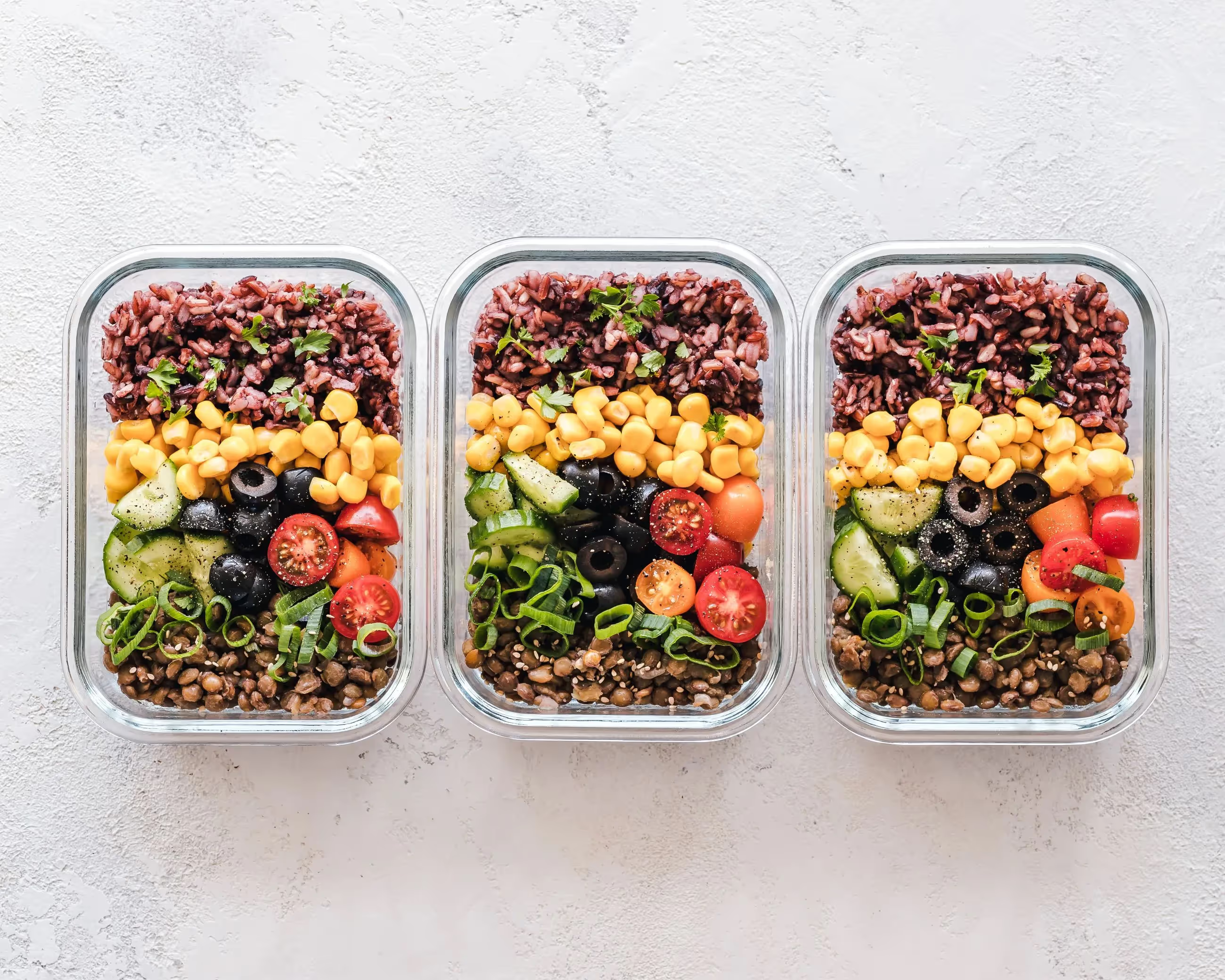
Some people find it saves time to “batch cook” recipes, which involve making a large batch of food with several portions and eating it throughout the week, such as soup, stews, grainy salads, etc.
Step 5: Make a Grocery List
After you’ve selected your meals and snacks for the week, it’s time to build a grocery list.
Take inventory of what you already have and what you need to buy.
You can write it out by hand or go digital using apps or websites. We also created a free template you can use.
Budget Tips for Grocery Shopping
Looking at sales and weekly specials before going to the store can help you build a budget-conscious meal plan.
So, if pork chops are on sale that week, try to find recipes that feature that protein.
Fruits and vegetables can be expensive, and you can buy canned or frozen options instead (choose unsweetened or no-salt-added products).
They’re nutritious, have a longer shelf life, and are great for cooking.
If possible, try shopping at several grocery stores and farmers’ markets to find the best deals.
Staple items like eggs, milk, and canned goods can cost less at conventional grocery store chains than at high-end stores.
Finally, if you’re experiencing food insecurity or can’t access nutritious food regularly, consider visiting your local food bank or asking your healthcare provider for guidance.
{{splash}}
Takeaway
A meal plan is a tool that can support your nutrition and health goals.
To make a meal plan, start by clearly outlining your goal and calculating your daily energy requirements.
Next, fill your meal plan with meals and dishes prioritizing nutrient-dense foods.
When you’re satisfied, visit the grocery store and buy everything you need for your meals and snacks.
How a Dietitian Can Help
At Nourish, every registered dietitian offers remote, individualized nutrition counseling that’s covered by insurance.
You can discuss your nutrition plan, set actionable goals, and review your progress at every online appointment.
You can also download our app to access free resources and stay in touch with your dietitian between visits.
Find a dietitian who accepts insurance now.
Frequently Asked Questions
What is the best meal plan generator?
Try a few different meal plan generators to see which suits you best.
Some popular options include Yummly, Paprika, PlateJoy, and Mealime.
How can I create my own meal plan?
You can generate your own customized meal plan by following these five steps:
- Set your health goals.
- Determine your daily energy requirements (calories).
- Include whole, nutrient-dense foods.
- Plan your meals and snacks (include recipes if you’re making something new).
- Make a grocery list so you can start cooking.
Is there a free app for meal planning?
There are several free apps for meal planning, two of the most downloaded being Yummly and Paprika. Cronometer is also popular.
References
Nourish has strict sourcing policies and prioritizes primary sources, including medical organizations, governmental agencies, academic institutions, and peer-reviewed scientific journals. Learn more about our medical review process and editorial guidelines.